Alright, let's start with the big one. If you see the words "Branded Title" on a report, I want you to stop what you're doing and pay ATTENTION. A brand on a title isn't a suggestion; it's a permanent, official mark from a state agency that screams, "This car has a seriously troubled past!".[1, 2] It's a warning label, and you need to know what the different brands mean.
Salvage Title: The "Totaled" Kiss of Death
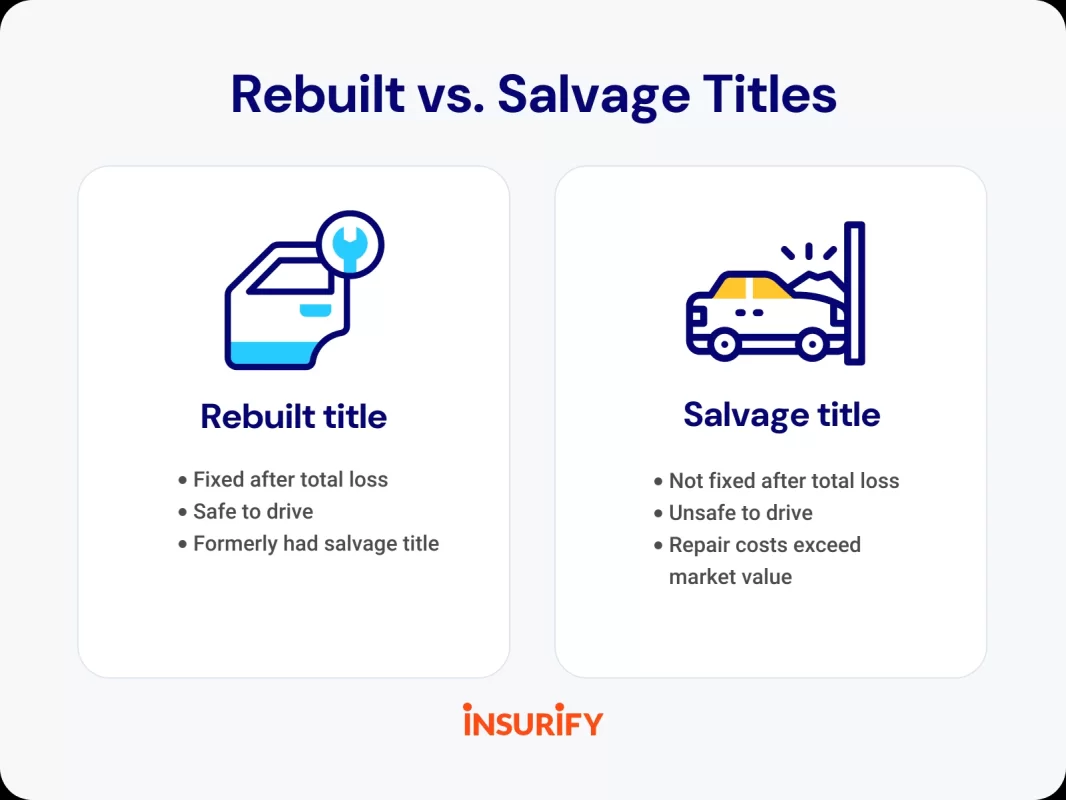
This is the big one. A salvage title means that at some point, an insurance company looked at this car and said it was a "total loss".[3, 4] This usually happens when a vehicle is so damaged—from a major wreck, a flood, a fire, you name it—that the cost to fix it properly is more than the car is actually worth.[5, 6]
Here's my analogy: A salvage title is like a doctor declaring a patient "beyond saving." For all legal purposes, that car is dead. It cannot be legally registered, plated, or driven on public roads.[7, 8] Its only purpose at this point is to be stripped for parts or crushed into a cube. If you see "Salvage Title," you're not looking at a car; you're looking at a collection of parts.
Rebuilt Title: Back from the Dead, But Is It a Zombie?
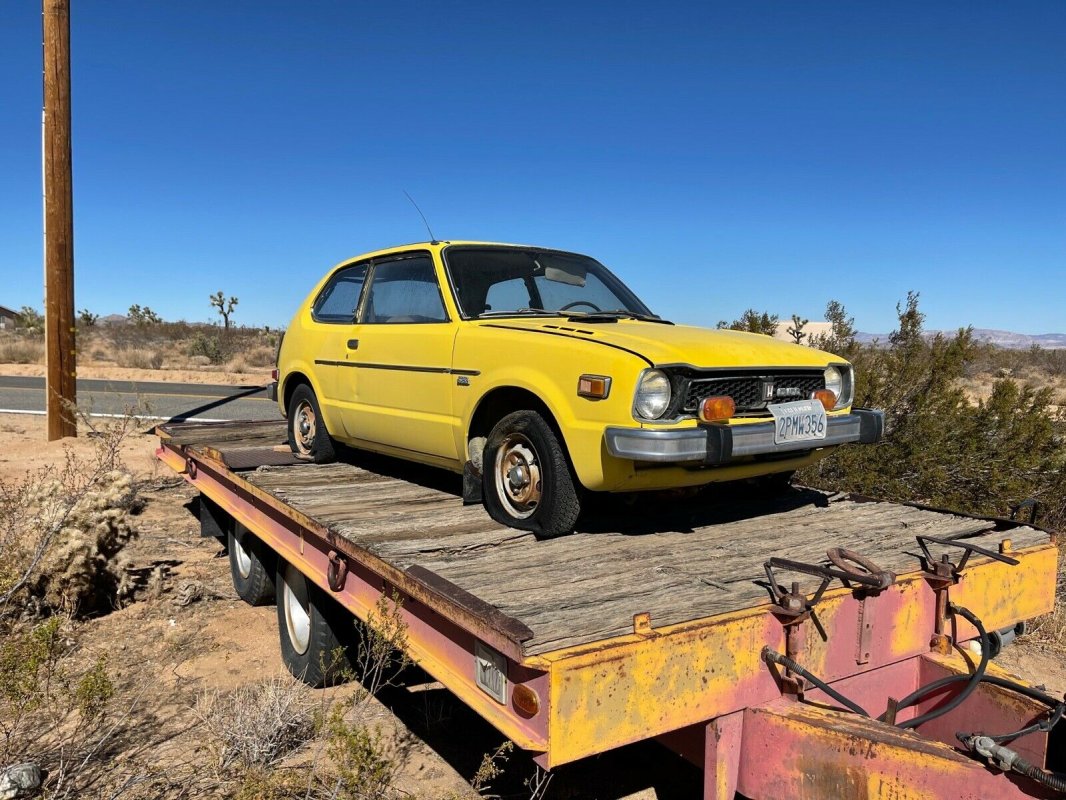
Now, this is where things get really tricky. A "Rebuilt" title (sometimes called "Reconstructed") means the car *used to be* a salvage vehicle, but someone bought it, patched it up, and got it to pass a state inspection so it can be legally driven again.[9, 10, 11] That "Rebuilt" brand is now on its title for the rest of its life.[12]
I call these zombie cars. They look alive, they move, but you have absolutely no idea what's really going on under the skin. Was it put back together by a master surgeon in a spotless shop, or a back-alley butcher with cheap parts and a prayer?.[13, 14] That low price tag is tempting, but it's the bait in a very nasty trap.
First, there's the Inspection Shell Game. The seller will proudly tell you, "It passed a state inspection!" That sounds great, right? Wrong. In many states, that inspection is NOT a deep dive into safety or repair quality. Often, it's just an anti-theft check to make sure the VIN on the new engine wasn't stolen.[15] The frame could be held together with bubble gum and hope, but as long as the parts are legit, it can pass. The rules are wildly different and often shockingly weak from state to state.[16, 17]
Second, there's the Vicious Financial Cycle. You get that "great deal," but then you go for a loan and your bank says, "No thanks".[18, 19] You go to your insurance agent, and they say, "Sure, we can give you liability, but no collision or comprehensive coverage," meaning if you wreck it or it gets stolen, you get NOTHING.[20, 21] And when you try to sell it? Good luck. Its resale value is already 20-40% lower than a clean-titled car, and most buyers and dealers will run for the hills.[20, 22] That cheap price has some VERY expensive strings attached.
Other Nasty Brands: Lemons, Floods, and Phantoms
Salvage and Rebuilt are the most common, but keep an eye out for these other deal-breakers:
- Lemon Law Buyback: This means the car had so many factory defects that the manufacturer was legally forced to buy it back from the original owner. It's a certified, documented problem child.[1, 23, 24]
- Flood/Water Damage: This is a hard PASS. ALWAYS. Water gets into everything—wiring harnesses, computers, seat cushions—and creates a creeping, corroding nightmare of electrical gremlins that may not show up for months.[2, 22] Avoid flood cars like the plague.[13]
- Odometer Rollback: This brand means the mileage is a lie. Someone has tampered with the odometer to make the car seem less used than it is. It's fraud, plain and simple.[1, 25]
Red Flag #2: A Messy Accident History
Not every accident results in a branded title. A VHR will show you a car's entire fight history, and you need to know how to tell a minor scuffle from a career-ending knockout.
Fender Bender vs. Frame-Bender: Why "Structural Damage" is a Deal-Breaker
A report might say "minor damage to rear bumper." Okay, not great, but maybe not a deal-breaker. But if you see the words "structural damage" or "frame damage," that's a different story.[26]
Think of it this way: a car's frame is its skeleton. A dented fender is like a cut on your arm; you stitch it up, and it's fine. A bent frame is like a broken back. Even if a shop "pulls it straight," it may never be 100% right again. This can lead to persistent alignment problems, tires that wear out ridiculously fast, and, most importantly, it can compromise how the car protects you in the *next* crash.[9, 13]
Red Flag #3: A Sketchy Ownership Trail
This part of the report tells you who owned the car and for how long. It's more important than you think.
The "One-Owner" Unicorn vs. The "Hot Potato" Car
I like to think of a car's ownership history like a relationship history. A "one-owner" car, especially one that was owned for a long time, is usually a great sign. It means someone probably liked it enough to keep it and take care of it.[27]
On the other hand, if you see a car that's been sold every 8 months for the last four years, that's a "hot potato." People are getting rid of it for a reason, and you're about to become the next person to find out why.[28] Also, be extra wary of former rental or fleet vehicles. They often live very hard lives and can be maintained with the bare minimum effort.[28]
Red Flag #4: Gaps, Lies, and Odometers
The detailed history section is where you can find clues about maintenance... or a lack thereof.
Missing Service Records and Odometer Rollbacks
Consistent service records are like a car's annual checkups at the doctor. A long, detailed history of oil changes and maintenance is a beautiful thing. Big, multi-year gaps in the service history are a mystery. What was happening then? Was it being maintained at all?.[27]
This is also where you have to watch out for scams like "Title Washing." This is when a shady seller takes a car with a salvage title from one state and registers it in another state with laxer laws, "washing" the brand off the title to make it look clean.[29, 30] A good, comprehensive VHR can often see through this trick by showing the car's entire history across all states.[1] When it comes to a car's history, you have to be extra carefull.
Your Next Move: Why the Report Is Just the Start
So you've pulled the report, and it looks clean. No brands, no major accidents. You're good to go, right? NOPE. The VHR is your map, but it's not the territory. It tells you where the dragons *might* be, but you still need to send in a scout to see what's actually there.
That scout is a Pre-Purchase Inspection (PPI) from a qualified, independent mechanic that YOU hire and trust.[9, 31, 32] This is the most important piece of advice I can give you, and it is 100% NON-NEGOTIABLE, especially if you're even considering a rebuilt car. A good mechanic will put the car on a lift and see the things the paperwork will never show you: the shoddy welds, the hidden rust, the mismatched parts, the leaky gaskets.[13, 33] It's the best money you will ever spend when buying a used car.
Conclusion: Your Best Defense is a Good Offense
Look, buying a car is a huge financial decision. Don't let a slick paint job or a tempting price tag cloud your judgment. Your best defense is a good offense. Be skeptical. Ask questions. And arm yourself with knowledge.
Start with the vehicle history report to learn its story. Look for the big red flags we talked about—branded titles, structural damage, a sketchy past. And ALWAYS, ALWAYS, ALWAYS finish with a pre-purchase inspection from your guy. It's the cheapest insurance you'll ever buy, and it can be the difference between driving home in your dream car or towing home a nightmare.
Call to Action
Look, I've seen too many good people get burned by bad cars. Before you even waste your time going to see a car, do yourself a favor and pull its rap sheet. The folks here at Carvins.net can get you a cheap Carfax report instantly. It's the best twenty bucks you'll ever spend. Don't even think about it, just do it.