Hey folks, James here. Let me tell you a story. Years ago, a guy brought a cherry red sports car into my old shop. It was a beauty, looked like it just rolled off the showroom floor, and he got it for a price that would make your jaw hit the concrete. He was so proud. But when we got it on the lift, my heart sank. The frame was ever-so-slightly twisted, there was overspray on the suspension parts, and the airbag light was... well, let's just say it wasn't on. The car had a rebuilt title. He'd bought a pretty picture, but the story underneath was a nightmare.
You’ve seen ‘em online, I’m sure. Cars that seem WAY too cheap to be true. And then you see the catch: "rebuilt title." It’s tempting, right? You could get a newer, fancier car for your money. But before you dive into that murky water, you gotta know what you’re getting into. Think of me as your friendly mechanic, here to pop the hood on rebuilt titles and show you what’s really going on in there.
First Things First: What Are Salvage and Rebuilt Titles, Anyway?
Alright, let's get the lingo straight. This is the most important part. A car’s title is like its birth certificate, and these words change everything.
A Salvage Title is basically a car's death certificate. An insurance company has declared it a "total loss" after a major event—a nasty wreck, a flood, a fire, or even theft recovery. They've decided the cost to fix it is more than the car is worth (usually 70-75% of its value). A car with a salvage title is a ghost; it's not legally roadworthy and can't be registered or driven. It’s just a pile of parts, officially.
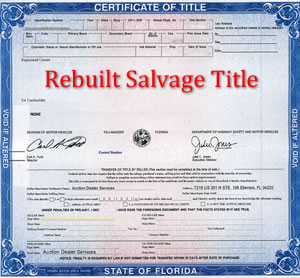
A Rebuilt Title is what happens when someone buys that salvage car and brings it back from the dead. They repair the damage and then take it through a state inspection process to prove it’s safe to be on the road again. If it passes, it gets a new title, forever branded as "Rebuilt" (or "Reconstructed" in some states). This car can now be legally registered, insured, and driven. But that brand... it NEVER goes away.
The Big Gamble: The Sizzle vs. The Steak
So, what’s the appeal? One word: Price. A rebuilt title car can be anywhere from 20% to 40% cheaper than the exact same car with a clean title. That’s a huge chunk of change. It means you might be able to afford a slick SUV instead of a sensible sedan. That’s the sizzle, and boy, it smells good.
But the steak—the actual substance of the car—can be a whole different story. The quality of the repairs can be all over the map. Was it fixed by a top-notch professional who replaced every bent bolt and used factory-spec parts? Or was it patched together by a guy in his shed who cut corners to maximize his profit? You just don't know, and that's the DANGER. A bad repair job can hide serious problems with the frame, the suspension, or the safety systems. You could be driving a ticking time bomb.
The Rebuilding Gauntlet: More Paperwork Than Power Tools
Every state has its own process for turning a salvage vehicle into a rebuilt one. Here in Washington, for example, it's not as simple as just fixing the dents. After the repairs, you have to take the car to the Washington State Patrol for a special inspection.
But here’s the kicker most folks don’t realize: that inspection is NOT a deep dive into the quality of the repairs. They aren't putting it on a frame machine or checking weld integrity. Primarily, they are checking that the Vehicle Identification Number (VIN) is legit and that the major parts used for the repair (like engines, doors, fenders) weren't stolen. They check your receipts for the parts. It’s more of an anti-theft and paperwork audit than a comprehensive safety check. So, a "passed" inspection doesn't automatically mean the car is safe—it just means it's legally documented.
My Mechanic's Checklist: Before You EVER Buy Rebuilt
So, you're a gambler and you're still tempted? Fine. But you do NOT go to the table without checking these boxes. This is non-negotiable.
1. Get the Car's Full Rap Sheet
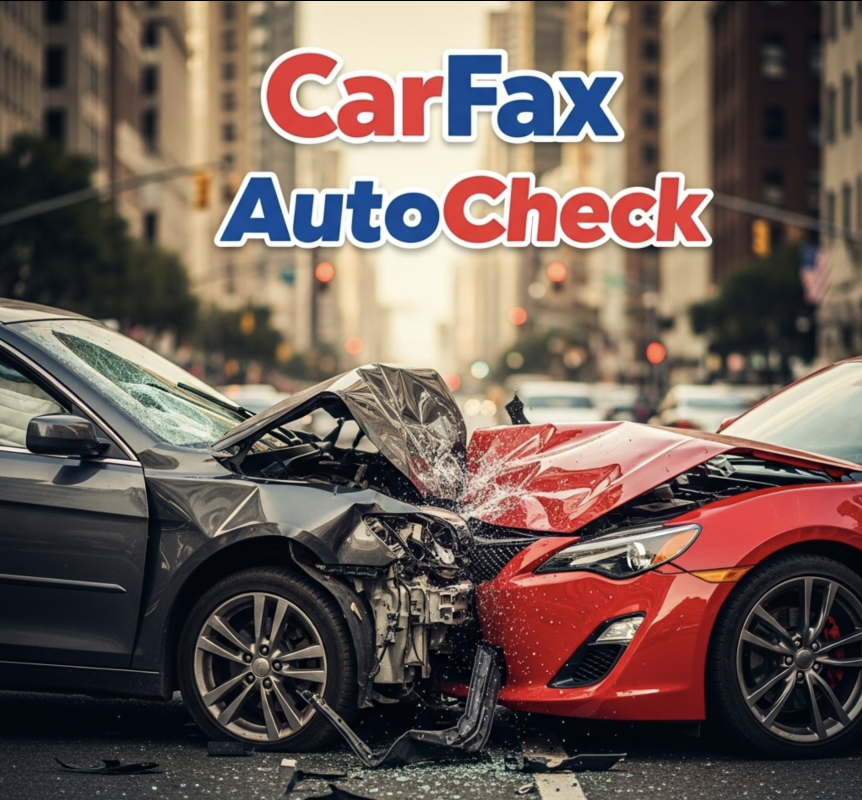
Before you even go see the car, get a vehicle history report from a reputable source like Carvins.net. This will tell you *why* it was salvaged in the first place. Was it a fender bender or was it submerged in a flood? Flood cars are a hard "NO" from me, always. They are electrical gremlins waiting to happen.
2. Grill the Seller
Ask for EVERYTHING. Before-and-after photos are golden. A complete list of repairs and receipts for all the parts is a must. If the seller gets cagey or says they "lost the paperwork," that's a bright red flag. A good rebuilder is proud of their work and will have the documentation to proove it.
3. THE MOST IMPORTANT STEP: A Pre-Purchase Inspection (PPI)
If you ignore everything else I've said, please listen to this. Take the car to a trusted, independent mechanic—NOT the one the seller suggests—and pay for a thorough pre-purchase inspection. It might cost you $150-$250, but it could save you thousands. A good mechanic will spot shoddy bodywork, frame damage, and mechanical issues that a clean paint job can hide. If the seller refuses to let you get a PPI, you walk away. No, you RUN away.
The Long Road: The Headaches Don't End at the Dealership
Okay, so you found a good one and had it inspected. The headaches aren't over. A rebuilt title follows a car forever, affecting a few key things:
- Insurance: You can get liability coverage, sure. But getting full coverage (comprehensive and collision) can be a real pain. Many big insurance companies won't touch rebuilt cars, and those that do may charge you a higher premium.
- Financing: Getting a loan for a rebuilt car is tough. Banks see them as a bigger risk, so they're much more hesitant to lend money for one.
- Resale Value: When it's time to sell, you're going to face the same skepticism you're feeling now. That 20-40% discount is permanent. Your pool of potential buyers will be much smaller, and it will be harder to sell.
So, What's the Verdict, James?
Look, I'm a mechanic who loves a good project. For the right person—someone who knows cars inside and out and can verify the repair quality themselves—a rebuilt car *can* be a diamond in the rough. But for about 99% of people, it's a gamble that's just not worth the risk. The potential for hidden safety issues and the guaranteed long-term hassles with insurance and resale value usually outweigh the upfront savings.
You work hard for your money. Don't throw it at a shiny car with a dark past. There are plenty of great, reliable used cars out there with clean titles. Do your homework, be patient, and buy a car's history, not just its looks.
Before you even think about buying ANY used car, especially one with a story, do yourself a favor. Get the full scoop. Head over to Carvins.net to get an instant, affordable vehicle history report. It's the smartest first step you can take. Drive safe out there!