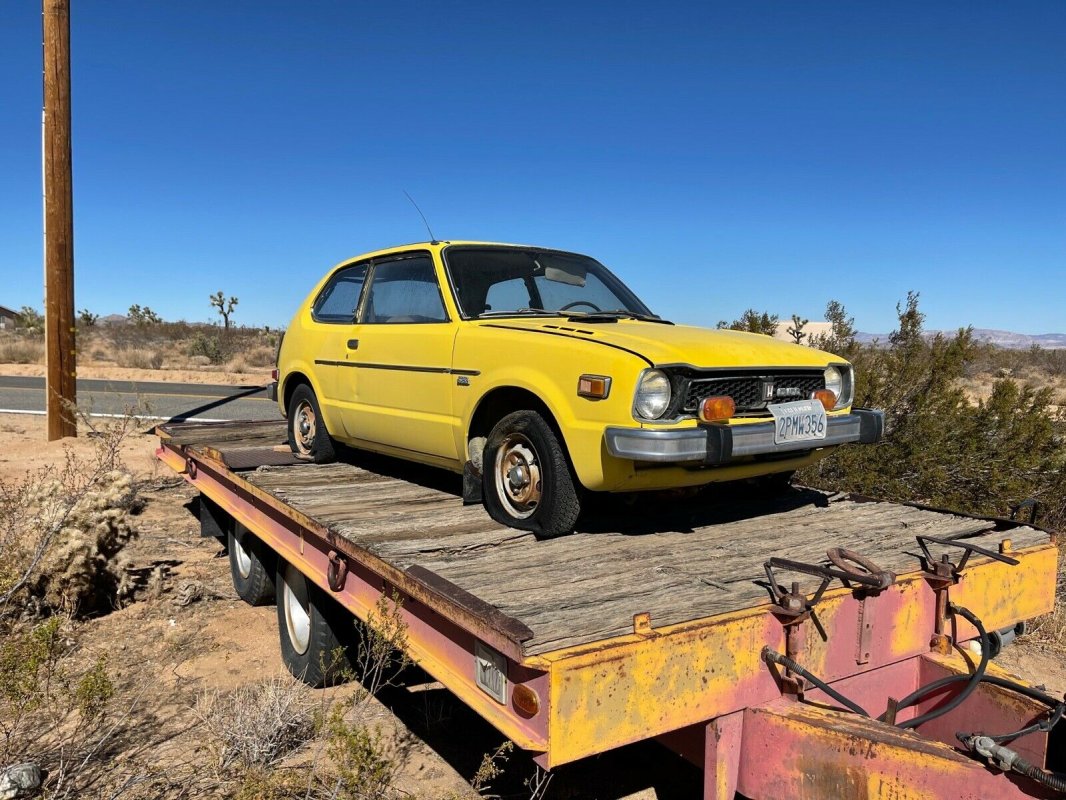
Alright, let me start with a confession: I've been that guy scrolling through Facebook Marketplace at 2 AM, coffee number four in hand, convinced I just found the deal of the century on a salvage title car. "Minor front end damage," the listing said. "Runs great!" it promised. Yeah, right.
Look, I'm not here to tell you that buying a salvage car from Facebook Marketplace is a terrible idea. Actually, it can be a fantastic way to get a solid vehicle for way less than retail - if you know what you're doing. And after making pretty much every mistake in the book (including that time I almost bought a "lightly flooded" Camry that turned out to be more submarine than sedan), I've learned a thing or two about navigating these waters.
First Things First: What Makes Facebook Marketplace Different
Facebook Marketplace has become the Wild West of used car sales, and salvage vehicles are everywhere. Unlike dealerships or even Craigslist (remember when that was the sketchy option?), Facebook gives you a direct line to sellers who might not even know what they're selling. I've seen everything from legitimate rebuilders who do quality work to folks who think zip ties and prayers count as structural repairs.
The beauty of Facebook Marketplace is that you can usually check out the seller's profile. Is this person posting salvage cars every week? Red flag. Are they a regular person who bought a project car and realized they're in over their head? That's often where the real deals are hiding.
The VIN Number: Your New Best Friend
Okay, so you found a listing that looks promising. The seller says it was in a "minor fender bender" and they've already fixed everything. Stop right there. Before you even think about messaging them, get that VIN number.
Now, I'm not a mechanic, but... I've learned that the VIN (that's Vehicle Identification Number for those keeping track) is like the car's social security number. Every salvage car has a story, and that VIN is your key to uncovering it.
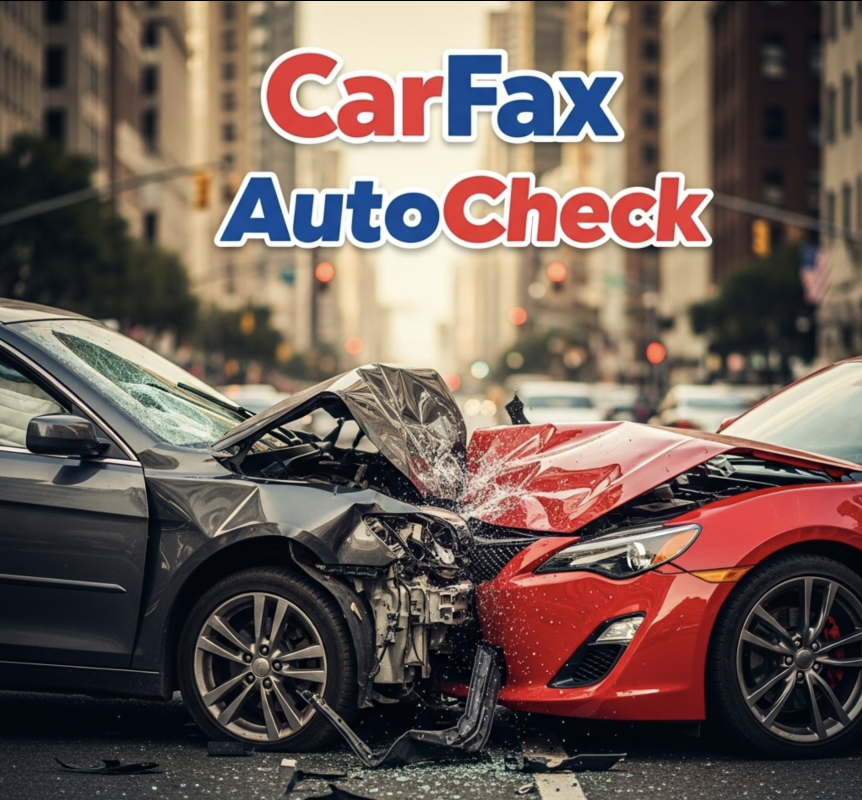
Here's my routine: First, I grab the VIN and head straight to carvins.net to pull a proper vehicle history report. Yeah, I used to pay those ridiculous $45 fees for reports elsewhere until I discovered I could get the exact same Carfax or AutoCheck reports for just five bucks. My coffee budget thanks me daily for that discovery.
Google Is Your Detective Partner
But here's where it gets interesting - and this is something I stumbled upon completely by accident while researching a suspiciously cheap Accord. Take that VIN number and throw it into Google. Just... Google it. You'd be amazed at what pops up.
See, when cars go through salvage auctions at places like Copart or IAAI (that's Insurance Auto Auctions Inc., not some weird text speak), they create detailed listings with photos. And guess what? Those photos often stay floating around the internet long after the auction ends. I've found pictures of cars completely mangled, underwater, or missing entire sections - all while the Facebook seller is claiming it was just a "small bump in a parking lot."
Last month, I was looking at a 2019 Civic Si (yeah, I have a thing for Civics) that the seller swore only had "minor rear damage." A quick Google search of the VIN brought up the Copart listing from six months earlier. The entire back half of the car looked like it went through a blender. The seller had done a decent job putting it back together, but seeing those original damage photos? That's when you realize why a proper inspection is non-negotiable.
The Pre-Purchase Inspection: Don't Skip This. Seriously.
I cannot stress this enough: Get. A. PPI. That's Pre-Purchase Inspection for the uninitiated, and it might be the best $100-200 you ever spend. I don't care if the seller shows you receipts for $10,000 in repairs or if they're your cousin's best friend's neighbor. Get the inspection.
When you're dealing with salvage cars from Facebook Marketplace, a standard inspection isn't enough. You need someone who knows what to look for in rebuilt vehicles. Here's what I tell everyone: find a shop that specializes in collision repair, not just your regular mechanic. These folks know where people cut corners.
What Your Inspector Should Check:
Frame and Structural Integrity: This is the big one. I once looked at a Camry where the frame rails had been "straightened" with a come-along and some creative welding. My regular mechanic might have missed it, but the body shop guy spotted it immediately.
Paint Overspray: Amateur rebuilders often get paint where it shouldn't be - on rubber seals, under the hood, on suspension components. It's like a fingerprint that screams "rebuilt in someone's garage."
Panel Gaps: Open the doors, hood, and trunk. Everything should line up evenly. If one door needs a shoulder check to close while another swings shut like butter, something's not right.
Electrical Gremlins: Water damage is the silent killer of salvage cars. Have them check every. single. electrical. component. Windows, locks, lights, heated seats, that fancy infotainment system - everything. Trust me, chasing electrical issues in a flood car is like playing whack-a-mole with your wallet.
Airbag Systems: This is huge. Some sellers just stick resistors in place of deployed airbags to turn off the warning light. A proper scanner will reveal if the airbag system is actually functional or if you're driving around in a death trap.
Red Flags That Should Send You Running
After years of browsing Facebook Marketplace (my wife says it's an addiction, but I prefer "hobby"), I've developed a sixth sense for sketchy listings. Here are the phrases that make me scroll faster than a Tesla in Ludicrous mode:
"No time for questions, first come first served" - Translation: I don't want you asking about that suspicious grinding noise or why the check engine light is covered with electrical tape.
"Salvage title but you'd never know" - Oh really? Then why does the driver's door not match any other panel on the car?
"AC just needs a recharge" - In salvage car speak, this usually means the entire AC system was destroyed and they couldn't afford to replace it.
"Minor water damage" - There's no such thing. It's like being "a little bit pregnant." Water damage is water damage, period.
The Art of the Facebook Marketplace Negotiation
So you've found a salvage car that actually checks out. The inspection came back mostly clean (let's be real, they all have some issues), and you've seen the original damage photos. Now comes the fun part: negotiation.
Facebook Marketplace sellers are a different breed. They're not professional dealers, so emotional attachment runs high. I've had sellers get genuinely offended when I point out that their "fully restored" car still has mismatched VIN stickers and a door that sounds like a rusty gate when it opens.
My approach? Be honest but respectful. Show them you've done your homework. When I pull out my carvins.net vehicle history report (did I mention it's only $5?), original auction photos, and inspection report, sellers usually realize they're dealing with someone who knows what they're looking at. That's when real negotiation begins.
The Success Stories (Yes, They Exist!)
Before you think I'm trying to scare you off salvage cars entirely, let me share a win. Last year, I helped my buddy score a 2018 Mazda3 with a salvage title for $6,000. The car had been rear-ended - and I mean properly rear-ended. But here's the thing: the seller was a professional rebuilder who documented everything.
We found the original auction photos (thanks, Google and that VIN search trick), saw exactly what was damaged, and matched it against the repair receipts. The PPI came back clean except for some minor paint issues. That car's been running like a dream for over a year now, and my buddy saved probably $8,000 compared to a clean title version.
Documentation Is Everything
If you're going through with a salvage car purchase from Facebook Marketplace, documentation is your insurance policy (pun intended). Here's what you absolutely need:
Complete repair receipts: Not just "fixed the front end - $3,000." You want itemized receipts showing every part, every hour of labor.
Photos of the repair process: Good rebuilders document their work. If they can show you progress photos, that's a green flag.
The vehicle history report: I know I keep mentioning carvins.net, but seriously, spending $5 to see if this car has been salvaged multiple times or has other hidden issues is a no-brainer. I used to skip this step to save money. That worked out about as well as my attempt to change my own transmission fluid. (Spoiler: It didn't.)
Written inspection report: Get everything in writing from your PPI. This protects you and gives you negotiation ammunition.
Insurance: The Plot Twist Nobody Mentions
Here's something that caught me off guard the first time: insuring a salvage title vehicle can be... interesting. Some insurance companies flat-out won't touch them. Others will only offer liability coverage. And even if you find full coverage, don't expect to get much if you total it again.
Call your insurance company before you buy. I learned this the hard way when I had to scramble to find coverage for a salvage title Accord I'd already bought. Nothing like spending three hours on hold with insurance companies to really make you question your life choices.
The Bottom Line: Is It Worth It?
Look, buying a salvage car from Facebook Marketplace isn't for everyone. It requires patience, knowledge, and a healthy dose of skepticism. But if you do it right - and I mean really do it right with proper research, inspection, and documentation - you can get a fantastic deal.
The key is going in with your eyes wide open. Use that VIN to dig up the car's history (both the official report from carvins.net and those auction photos hiding in Google). Get that professional inspection. Document everything. And never, ever skip steps because you're excited about the deal.
Trust me, I've made enough mistakes for all of us. That "minor water damage" Camry I mentioned earlier? Yeah, I bought it. Spent more on electrical repairs than I paid for the car. But hey, at least I learned my lesson, and now you don't have to.
Your Action Plan
Ready to dive into the Facebook Marketplace salvage car pool? Here's your checklist:
1. Get the VIN from the seller - No VIN, no deal. Period.
2. Run a vehicle history report - Head to carvins.net and grab that $5 report. Your future self will thank you.
3. Google that VIN - Look for auction photos from Copart, IAAI, or other salvage auctions.
4. Verify the seller - Check their Facebook profile. Are they flipping cars or selling their own project?
5. Schedule a PPI at a collision repair shop - Not your cousin who "knows about cars." A real shop.
6. Check insurance availability - Before you buy, not after.
7. Negotiate based on facts - Use your research to get a fair price.
8. Document everything - Every receipt, every conversation, every photo.
Remember, there are good salvage cars out there on Facebook Marketplace. You just have to be smarter than I was when I started. Do your homework, trust your gut, and when in doubt, walk away. There's always another deal around the corner - usually appearing on my feed at 2 AM when I should be sleeping instead of car shopping.
Stay smart out there, folks. And whatever you do, don't buy that "minor water damage" Camry. Trust me on that one.